


 Deutsch
 English
 Español
 Français
 Nederlands
 Português


 Share
Share




In 2026, China's tightened export controls on rare earths and critical minerals triggered sixfold price spikes outside China, with European firms facing licensing approval rates below 25%. This analysis examines how Beijing is weaponizing processing dominance — controlling 90% of rare earth processing, 80% of tungsten, and 60% of antimony — to extract geopolitical concessions, while the U.S. and EU scramble to build independent alternatives through initiatives like FORGE and deep-sea mining licenses. The piece assesses the 12-to-18-month strategic window for Western nations to pivot between managed dependence, costly independence, or a hybrid supply chain model.
China's Processing Dominance: A Decade in the Making
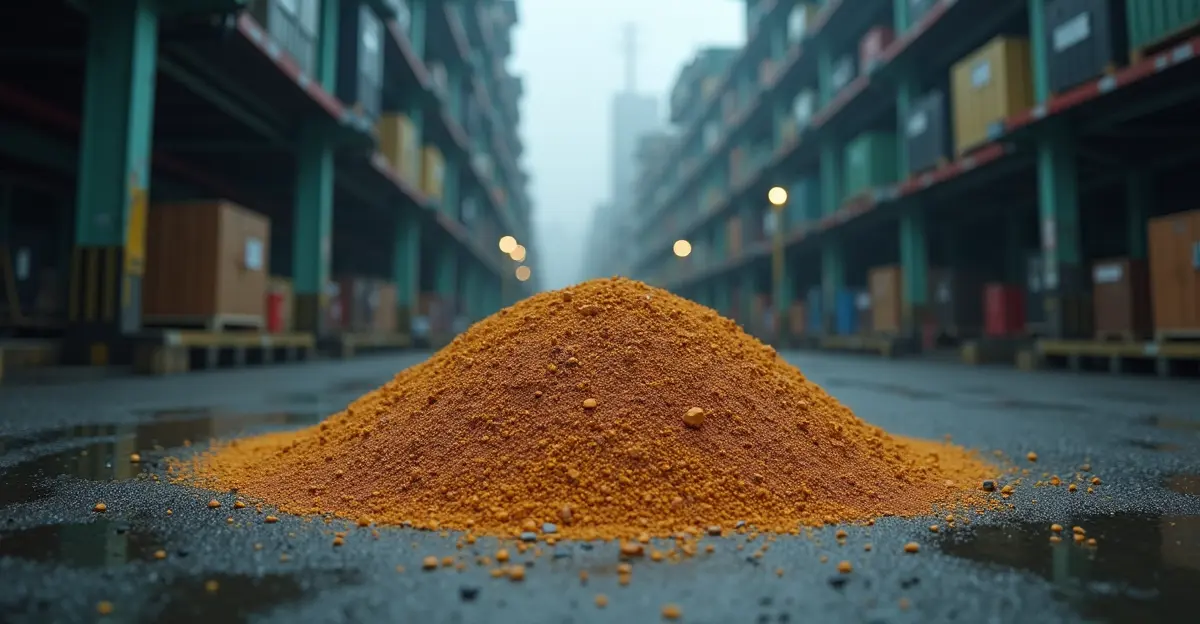
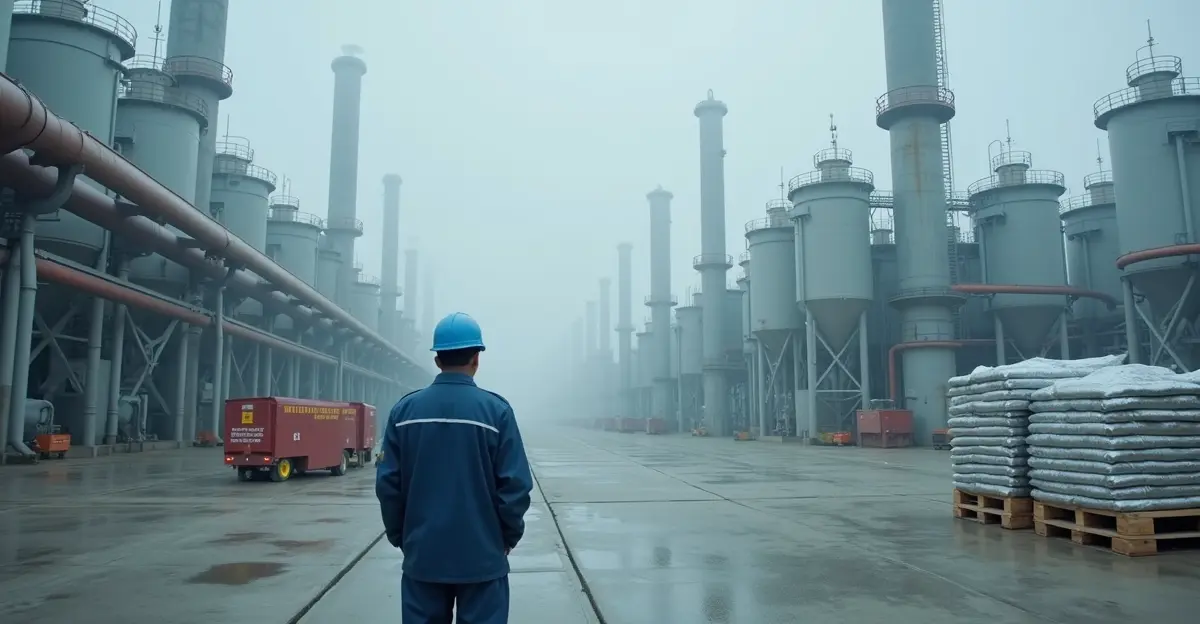
China's stranglehold on critical minerals is not accidental. Through decades of strategic industrial policy, Beijing has built an unassailable position in the processing and refining of rare earth elements (REEs) — a group of 17 metals essential for defense systems, electric vehicles (EVs), wind turbines, and consumer electronics. According to a multi-institutional analysis drawing on data from the European Parliament, OECD, and CSIS, China now controls roughly 90% of global rare earth processing, 80% of tungsten, and 60% of antimony. Over 80% of European companies depend on Chinese supply chains for these materials.
The 2026 critical minerals crisis marks a structural shift from scarcity to strategic leverage. Unlike previous export restrictions, the 2025-2026 regime uses a sophisticated licensing system requiring extensive documentation, end-use verification, and proprietary information disclosure — creating de facto quantitative restrictions without formally banning exports. A European Parliamentary Research Service briefing from 2025 notes that these measures are designed to maintain pricing power and extract concessions while discouraging large-scale Western investment in alternative supply chains.
Price Shocks and Licensing Crunch
The impact has been immediate and severe. Export controls introduced between October 2025 and March 2026 triggered price spikes of up to sixfold on key rare earth oxides outside China. European companies seeking licenses to import critical minerals from China face approval rates below 25%, according to data from the Rare Earth Exchanges analysis. The licensing regime now covers compounds containing samarium, gadolinium, and lutetium — materials essential to electronics, automotive, aerospace, and medical device manufacturing.
Notably, China introduced extraterritorial provisions in October 2025 that allow Beijing to regulate downstream use of controlled materials even after they leave Chinese territory. While enforcement has been delayed until November 2026 following diplomatic consultations, the provision signals Beijing's intent to extend its reach across global supply chains. The extraterritorial rare earth regulations represent an unprecedented expansion of Chinese regulatory power.
Cascading Impacts Across Sectors
The price shocks are cascading into defense, EV, and renewable energy sectors globally. In defense, rare earths are critical for missile guidance systems, F-35 components, and advanced radar. The EV sector faces an estimated $500 added cost per vehicle due to magnet price increases. Wind turbine manufacturers, heavily reliant on neodymium magnets, are seeing project costs rise sharply. The IMF has warned that geopolitical fragmentation in critical mineral supply chains poses a significant risk to global growth.
Western Response: FORGE, Project Vault, and Deep-Sea Mining
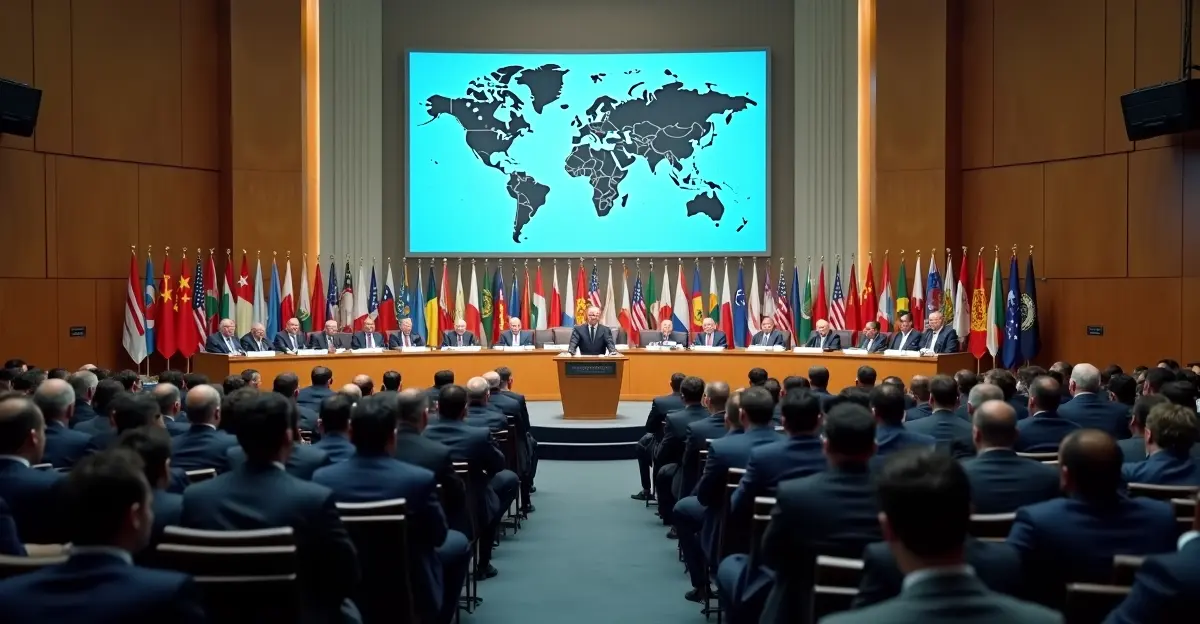
In February 2026, the United States hosted the Critical Minerals Ministerial, convening representatives from 54 countries and the European Commission. Secretary of State Marco Rubio announced the creation of FORGE (Forum on Resource Geostrategic Engagement), chaired by South Korea, as the successor to the Minerals Security Partnership. FORGE creates a preferential trade-and-investment zone with coordinated price floors and adjustable tariffs to counter China's state-subsidized pricing.
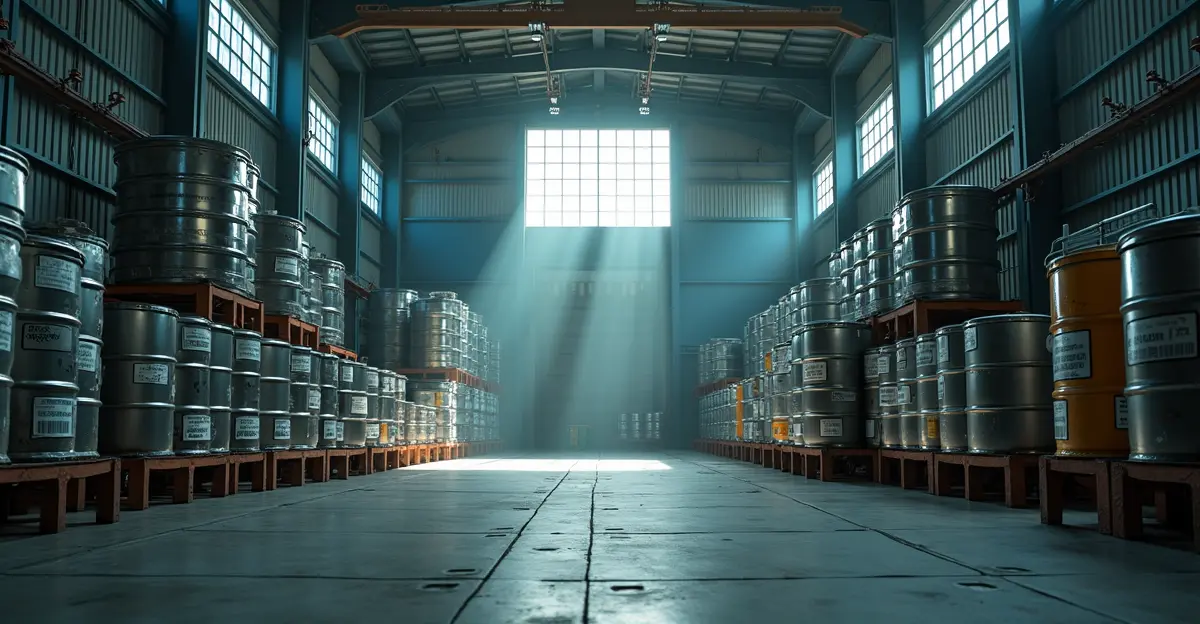
Alongside FORGE, the U.S. launched Project Vault — a $12 billion public-private initiative for a Strategic Critical Minerals Reserve, backed by a $10 billion EXIM loan and nearly $2 billion in private capital. Modeled after the Strategic Petroleum Reserve, Project Vault allows companies to secure minerals at fixed prices through a government-backed stockpile. In the first five months, the U.S. signed 21 bilateral critical minerals agreements with countries including Argentina, Morocco, the Philippines, and the UAE, mobilizing over $30 billion in total.
The FORGE alliance critical minerals strategy represents the most ambitious Western effort to date, but experts warn it faces significant hurdles. Rebuilding independent rare earth separation capacity outside China could take 20 to 30 years, far exceeding the current geopolitical window. China also dominates 81% of rare-earth-related patents filed globally between 2014 and 2024, according to a 2026 patent landscape report.
Deep-Sea Mining: A New Frontier
Another avenue being pursued is deep-sea mining. In early 2026, The Metals Company (TMC) submitted the first consolidated application for exploration and commercial recovery in the Clarion Clipperton Zone under the U.S. Deep Seabed Hard Mineral Resources Act. The NORI-D project targets polymetallic nodules containing nickel, cobalt, copper, and manganese — all critical for battery and defense supply chains. However, the International Seabed Authority's 31st session in March 2026 failed to approve any exploitation activities, and environmental groups warn of irreversible biodiversity loss. The deep sea mining geopolitical race highlights the tension between national security urgency and environmental caution.
The 12-to-18 Month Window: Three Paths Forward
Analysts warn that Western nations face a narrowing 12-to-18 month window to act decisively before China's 15th Five-Year Plan (2026-2030) deepens its grip on critical mineral supply chains. The Rare Earth Exchanges analysis presents three strategic paths:
- Managed Dependence: Accept continued reliance on Chinese supply while building diplomatic safeguards and stockpiles. This path risks vulnerability to future coercion.
- Costly Independence: Invest aggressively in domestic and allied processing capacity, accepting higher costs and a 20-30 year timeline. This path requires tens of billions in additional investment.
- Hybrid Model: Combine strategic stockpiles, allied processing partnerships, recycling initiatives, and targeted domestic production to balance resilience with realism. This path is seen as the most pragmatic option.
As Daniel Takahashi notes in his analysis, "China is not starving supply — it is weaponizing control to make alternative chains economically unviable. The window for Western action is measured in months, not years."
FAQ: China's Rare Earth Export Controls
What are rare earth elements and why are they important?
Rare earth elements (REEs) are a group of 17 metals essential for manufacturing high-tech products including defense systems, electric vehicles, wind turbines, smartphones, and medical devices. Despite their name, they are relatively abundant in the Earth's crust but difficult and costly to process.
How much control does China have over rare earth processing?
China controls approximately 90% of global rare earth processing and refining capacity, 80% of tungsten processing, and 60% of antimony processing. This dominance has been built through decades of strategic industrial policy and state investment.
What is FORGE and how does it aim to counter China?
FORGE (Forum on Resource Geostrategic Engagement) is a 54-nation alliance launched in February 2026, chaired by South Korea. It creates a preferential trade-and-investment zone with coordinated price floors and adjustable tariffs to counter China's state-subsidized pricing and build independent supply chains.
How long would it take to build independent rare earth processing capacity?
Analysts estimate that rebuilding independent rare earth separation and processing capacity outside China would take 20 to 30 years, requiring tens of billions of dollars in investment. This timeline far exceeds the current 12-18 month strategic window for action.
What is Project Vault?
Project Vault is a $12 billion U.S. public-private initiative to create a Strategic Critical Minerals Reserve, backed by a $10 billion EXIM loan and private capital. It allows companies to secure critical minerals at fixed prices through a government-backed stockpile, modeled after the Strategic Petroleum Reserve.
Conclusion: A Pivotal Moment for Global Supply Chains
China's 2026 export controls have fundamentally altered the landscape of global critical mineral supply chains. The shift from scarcity to strategic leverage represents the most consequential supply chain story of the year, with cascading impacts across defense, EV, and renewable energy sectors. While Western initiatives like FORGE and Project Vault represent significant steps, the 12-to-18 month window for decisive action is narrowing. The choice between managed dependence, costly independence, or a hybrid model will define the geopolitical and economic landscape for decades to come.

Follow Discussion